Source hollow glass molecular sieve for Double Glazing, Spacer, and Dehydration
Compare 30 listings for hollow glass molecular sieve from verified Chinese manufacturers. Buyers can evaluate specifications like 3A and 4A models, granule sizes, and packaging options for spacer window and natural gas dehydration applications; compare the available evidence and request quotations based on your requirements.
Key considerations
Products List


Comprehensive Sourcing Guide
Hollow Glass Molecular Sieve Sourcing Guide
Procuring molecular sieves for hollow glass units requires a precise understanding of material science and supply chain logistics. These desiccants are critical for maintaining the thermal and acoustic performance of double glazing by adsorbing moisture from the sealed air or gas space. Buyers must distinguish between standard industrial desiccants and those specifically engineered for the stringent requirements of the architectural glass industry. The primary function is to prevent condensation and fogging within the unit, thereby preserving clarity and energy efficiency over the product's lifespan.
The sourcing landscape for these components is dominated by manufacturers in China, with significant production hubs in Guangdong and Henan provinces. Suppliers often offer OEM and ODM services, allowing for custom packaging and branding to meet specific distributor requirements. Understanding the origin and manufacturing capabilities is essential for ensuring consistent quality and reliable delivery schedules. Buyers should prioritize suppliers who provide comprehensive technical support and have a proven track record in the spacer window application sector.
Product Scope and Observed Listing Signals
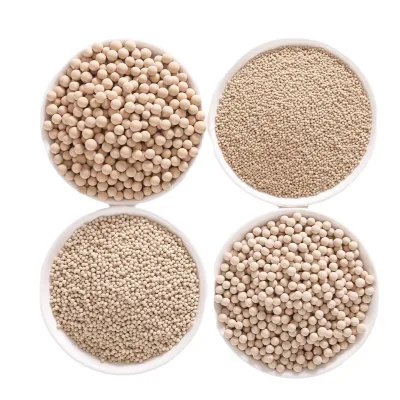
The observed market listings reveal a diverse range of product attributes, including various shapes such as granules, beads, and pellets. Materials cited include limestone and zeolite, with specific models like 3A and 4A molecular sieves being prominently featured. The color of the product is typically yellow, and the appearance is described as granular or beaded. These variations indicate that buyers must carefully select the specific type based on their application needs, as different pore sizes and chemical compositions offer distinct adsorption properties for water and other molecules.
Packing options vary significantly, ranging from steel drums and carton drums to kraft bags and plastic bags. Standard packaging sizes often include 25kg bags, which facilitate handling and storage in industrial settings. The selling units are generally listed as single items, but bulk orders are common for large-scale manufacturing operations. Buyers should verify the specific packaging requirements to ensure compatibility with their automated filling systems and to prevent moisture ingress during transit and storage.
Technical Specifications to Verify
Technical verification begins with confirming the molecular sieve type, such as 3A or 4A, which dictates the pore size and adsorption capacity. The standard particle sizes observed include ranges like 1.7-2.5mm, 3.0-5.0mm, and 1.6mm, which must match the specifications of the glass spacer profiles. Buyers should request detailed technical data sheets that outline the crushing strength, bulk density, and adsorption rate of the product. These parameters directly influence the performance of the hollow glass unit and its resistance to environmental stressors.
The chemical formula Na2O.Al2O3.2sio2.4.5H2O with a SiO2: Al2O3 ratio of 2 is a key identifier for certain zeolite types. Buyers must ensure that the supplier provides test reports to validate these chemical compositions and physical properties. Additionally, the drying method, often static drying, should be confirmed to ensure the product is ready for immediate use. Verifying the shape, whether beads or pellets, is also crucial for ensuring proper flow and distribution within the spacer channel during the manufacturing process.
Compliance and Safety Documentation
Compliance with international standards is vital for exporting hollow glass products to regulated markets. While ISO 9001 and ISO 14001 are mentioned in background contexts, buyers must request current certification documents to verify the supplier's quality management and environmental practices. REACH compliance is another critical factor for European markets, ensuring that the chemical substances used in the molecular sieve do not pose health or environmental risks. Buyers should explicitly ask for these certificates to avoid customs delays or market rejection.
Safety documentation includes Material Safety Data Sheets (MSDS) that outline handling, storage, and emergency procedures. The product should be stored at room temperature and protected from direct air exposure to maintain its adsorption capacity. Buyers must ensure that the supplier provides clear instructions for safe handling to prevent dust inhalation or skin irritation. Proper documentation not only ensures regulatory compliance but also protects the buyer's liability and the safety of their workforce.
Cost Drivers and Commercial Terms
Cost structures for molecular sieves are influenced by raw material quality, particle size uniformity, and packaging complexity. The observed price range is broad, reflecting differences in product grade and supplier positioning. Buyers should focus on total cost of ownership, including shipping, handling, and potential waste due to poor quality. Low prices may indicate inferior adsorption capacity or higher dust content, which can compromise the integrity of the hollow glass unit.
Minimum Order Quantities (MOQ) vary, with some suppliers offering as low as one ton, while others may require larger commitments. Buyers should negotiate flexible terms that allow for sample orders before committing to large volumes. Payment terms, lead times, and shipping methods should be clearly defined in the contract. Understanding these commercial terms helps in planning inventory levels and managing cash flow effectively, ensuring a smooth procurement process.
Supplier Qualification and Quality Control
Supplier qualification involves assessing their manufacturing capabilities, quality control processes, and after-sales support. Buyers should verify the supplier's ability to provide online technical support and 3D model design services for custom applications. A robust quality control system should include regular testing of adsorption rates, crushing strength, and particle size distribution. Buyers should request sample batches to test the product in their own production lines before approving large orders.
The supplier's experience in the industry is a key indicator of reliability. Suppliers with a history of serving the glass and construction sectors are more likely to understand the specific requirements of hollow glass molecular sieves. Buyers should check for references or case studies that demonstrate the supplier's ability to meet consistent quality standards. Establishing a strong relationship with a qualified supplier ensures long-term stability and reduces the risk of supply chain disruptions.
Long-Term Procurement Checks
Long-term procurement success depends on continuous monitoring of supplier performance and product quality. Buyers should establish key performance indicators (KPIs) such as delivery accuracy, defect rates, and responsiveness to technical queries. Regular audits of the supplier's quality control processes can help identify potential issues before they impact production. Maintaining open communication channels with the supplier facilitates quick resolution of any problems that may arise during the supply chain.
Adapting to market changes and technological advancements is also crucial for long-term procurement. Buyers should stay informed about new developments in molecular sieve technology and packaging solutions. Periodic reviews of the supplier's capabilities and market position can help identify alternative sources if necessary. By proactively managing the supplier relationship and staying vigilant about quality, buyers can ensure a reliable and cost-effective supply of hollow glass molecular sieves.
FAQs
What materials are used for hollow glass molecular sieve?
The product is primarily made from Zeolite and Limestone materials. These components ensure effective water adsorption and dehydration capabilities for spacer windows and natural gas applications.
Which specifications are available for the molecular sieve?
Available specifications include granules and beads with sizes ranging from 1.6mm to 5.0mm. Specific standard sizes listed are 1.7-2.5mm, 3.0-5.0mm, 1.6mm, and 3.2mm for various industrial needs.
Can the supplier provide 3D model design services?
Yes, the supplier offers project solution capabilities including 3D model design. This service supports custom requirements for applications like double glazing glass and natural gas dehydration projects.
How is the molecular sieve packed for shipment?
Packaging options include steel drums, carton drums, carton boxes, and kraft bags. Some listings specify 25kg bags or plastic bags within cartons to ensure safe transport and storage.
What is the minimum order quantity for this product?
The minimum order quantity ranges from 1 unit to 6000 units depending on the specific listing. Some suppliers require a minimum of 1 ton for bulk industrial orders.
Where are these molecular sieve products manufactured?
Products originate from Guangdong and Henan provinces in China. This location ensures access to established manufacturing facilities capable of producing high-quality desiccants for various chemical industries.
What after-sales support is available for buyers?
Online technical support is provided to assist customers with installation and usage. This service helps ensure proper application of the desiccant in spacer windows and other dehydration processes.